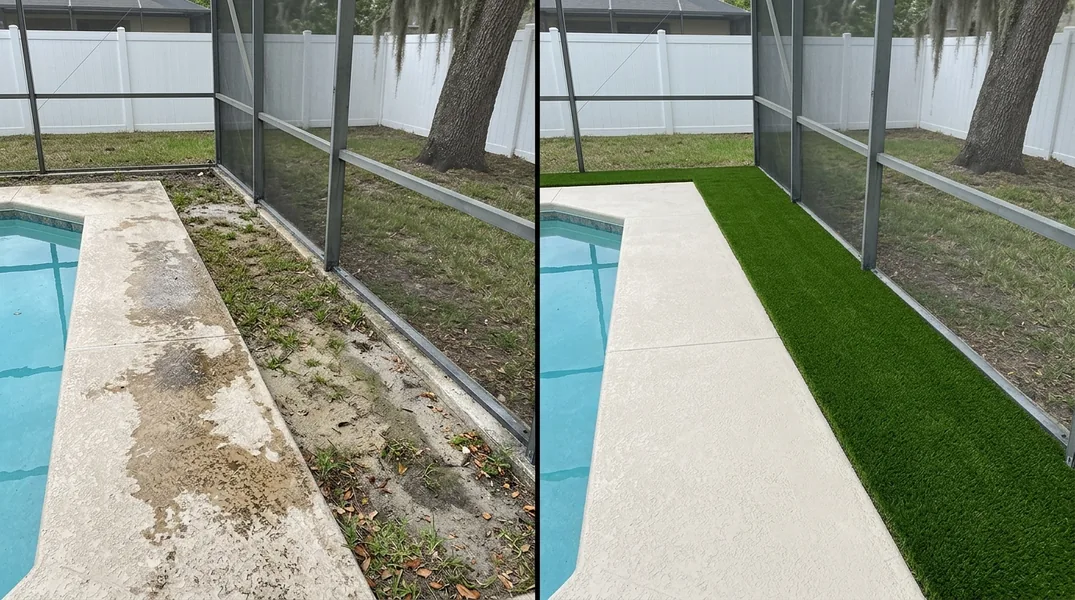
Understanding HOA Rules for Artificial Grass in Polk County
If you live in a homeowners association (HOA) community in Lakeland, you've likely encountered restrictive covenants and architectural guidelines. Many HOAs have specific rules about landscaping, and artificial grass falls squarely into that category. The good news is that artificial turf has become increasingly popular and accepted by HOAs across Polk County, but approval isn't automatic. Understanding your community's specific policies is the first step toward transforming your front yard.
Most HOAs maintain architectural review boards (ARBs) or architectural control committees that evaluate any proposed changes to a property's exterior appearance. These boards exist to maintain property values and aesthetic consistency throughout the community. When it comes to artificial grass, some HOAs embrace it enthusiastically as a water-efficient, low-maintenance alternative to natural turf, while others maintain stricter guidelines. The key is knowing where your HOA stands and what documentation you'll need to present your case for Residential Artificial Grass Installation.
Common HOA Front Yard Artificial Grass Policies in Lakeland
Front yard artificial grass restrictions vary significantly among Lakeland HOAs. Some communities prohibit artificial turf entirely, viewing it as incompatible with their aesthetic standards. Others allow it with specific conditions, such as requiring that the grass meet certain quality standards, look indistinguishable from natural turf, or be installed only in designated areas. A third category of HOAs actively encourages artificial grass installation, particularly in drought-prone regions where water conservation is a priority.
Before you invest time and money into an application, review your HOA's governing documents. These typically include the Declaration of Covenants, Conditions, and Restrictions (CC&Rs), the bylaws, and the architectural guidelines. Pay special attention to sections addressing landscaping, lawn maintenance, and exterior modifications. Some HOAs may have blanket policies against artificial turf, while others leave decisions to the discretion of the ARB on a case-by-case basis. If your documents aren't clear, contact your HOA management company directly and ask for written clarification about their artificial grass policy.
The HOA Submittal and Approval Process for Artificial Turf
Once you've confirmed that artificial grass is permitted or potentially approvable in your community, you'll need to navigate the formal submittal process. Most HOAs require homeowners to complete an architectural modification request form before any work begins. This form typically asks for detailed information about the proposed project, including the scope of work, materials to be used, and the contractor performing the installation. Some HOAs require photographs of the current landscape, product samples or specifications, and detailed drawings showing exactly where the artificial grass will be installed.
Timing matters when submitting your application. Most HOAs review requests at monthly or quarterly meetings, so plan accordingly if you want your project completed by a specific date. Submit your application well in advance, allowing time for review and potential revisions. Be thorough and professional in your submission. Include high-quality product information, samples if possible, and clear explanations of why artificial grass is the right choice for your property. Emphasize benefits like water conservation, reduced maintenance, and year-round appearance. If your HOA has previously approved similar projects, mention those precedents in your application.
Documentation and Product Standards Your HOA May Require
Polk County HOAs typically have specific standards for artificial grass products. They may require that turf meet certain durability ratings, UV resistance specifications, or aesthetic guidelines regarding blade color and texture. Many HOAs insist on premium-quality artificial grass that closely mimics natural turf, as opposed to cheaper alternatives that can look plastic or artificial. Before you commit to a particular product, confirm with your HOA that it meets their standards. Some communities maintain approved product lists, while others evaluate submissions individually.
Your HOA may also require documentation from the installer, including proof of insurance, references, and detailed installation specifications. They want assurance that the work will be completed professionally and that the final product will meet community standards. This is where working with an experienced local installer like Lakeland Turf Installation becomes invaluable. Professional installers understand HOA requirements and can provide the documentation and product information that review boards need to make approval decisions. When you request a free estimate, ask your installer if they've worked with your specific HOA before and what documentation they typically provide with their projects.
Appealing a Denial and Finding Alternatives
If your HOA denies your artificial grass request, don't assume it's final. Most HOAs have an appeal process that allows homeowners to present additional information or request reconsideration. Review the denial letter carefully to understand the specific reasons for rejection. Common objections include concerns about product quality, drainage issues, or aesthetic compatibility with the community. Address these concerns directly in your appeal. Provide additional product samples, engineering documentation about drainage, testimonials from neighbors with artificial grass, or professional photographs showing how the turf will enhance your property.
If your HOA remains opposed to artificial grass, explore compromise solutions. Some communities that restrict full front yard artificial grass may allow it in planting beds, along walkways, or in other limited applications. You might also investigate whether backyard installations face fewer restrictions. Pet Turf & Dog Run Installation and other specialized applications sometimes fall under different guidelines than front yard landscaping. If you're interested in exploring what's possible for your specific property, contact Lakeland Turf Installation at (863) 250-7652 to discuss your HOA's requirements and potential solutions.
Working with Contractors Who Understand HOA Requirements
Choosing the right installation contractor makes the HOA approval process smoother. Experienced installers like Lakeland Turf Installation understand the nuances of Polk County HOA regulations and can guide you through the approval process. They know which products typically pass review, what documentation ARBs expect, and how to present your project professionally. A knowledgeable contractor can even help you prepare your architectural modification request and gather the necessary supporting materials before you submit.
When evaluating contractors, ask about their experience with HOA projects in your community or similar communities. Request references from previous HOA installations and follow up with those homeowners about their approval experience. A reputable installer will be transparent about timelines, costs, and the approval process. They should also be willing to work with your HOA if modifications are requested after initial review. The investment in working with a professional who understands HOA requirements pays dividends in smoother approvals and higher-quality results. To learn more about how Lakeland Turf Installation approaches HOA projects and to get started on your front yard transformation, call (863) 250-7652 today for a consultation.
Looking for a professional artificial grass installation company in Lakeland? Lakeland Turf Installation responds fast for all your artificial grass installation needs.
Get a Free Quote